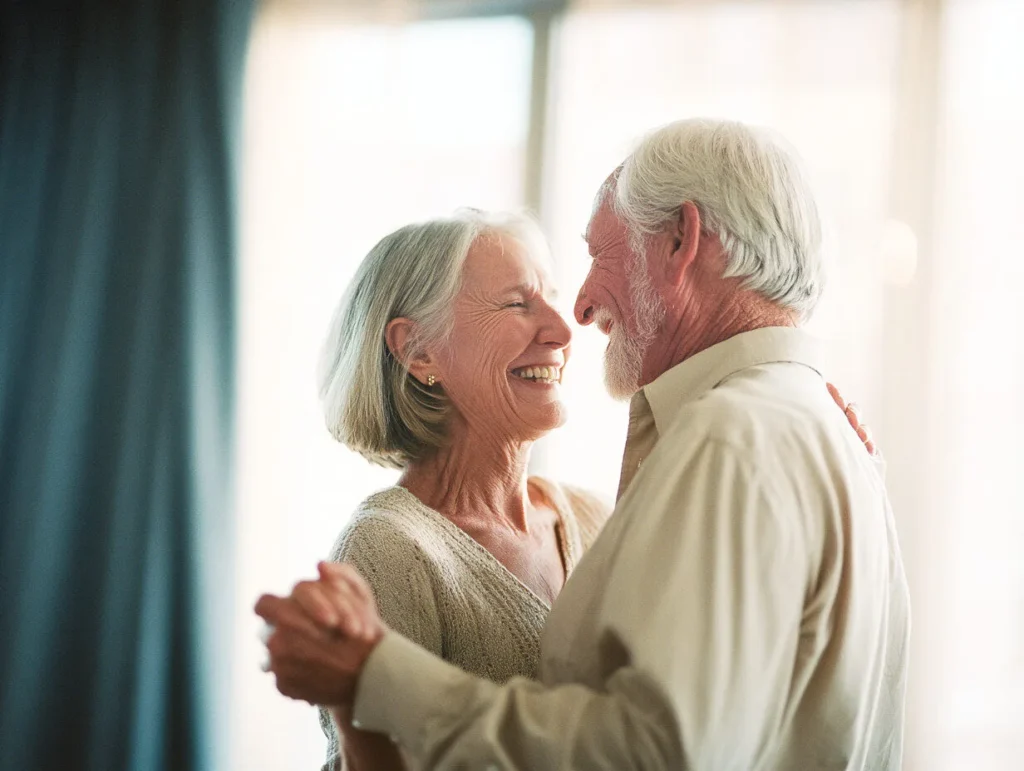
When people think about romantic dancing, they often picture a dramatic tango or a sweeping waltz. But if you ask the instructors at Arthur Murray Clearwater, there’s one dance that consistently brings couples closer — rumba.
Rumba is smooth, expressive, and slow enough to let real connection shine. It’s also beginner-friendly, which means you don’t have to be a dancer to feel the impact of learning it with someone you care about.
Here’s why rumba stands out — and why now might be the perfect time to try it.
It’s Built Around Connection
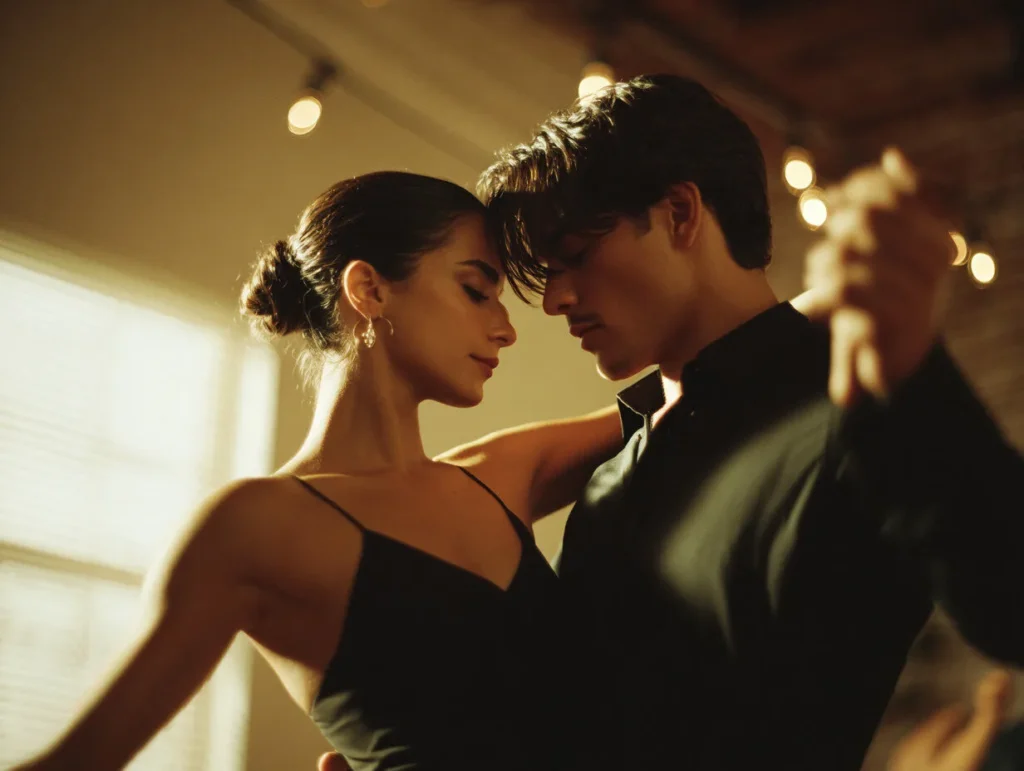
Most ballroom dances move across the floor. Rumba stays mostly in one spot, which makes it more intimate. You’re close to your partner, moving with control and attention. Nothing feels rushed.
You’ll focus on:
- Subtle weight shifts and pauses
- Gentle lead-and-follow techniques
- Eye contact and rhythm — instead of big, sweeping turns
That structure gives you time to breathe and connect — and makes even simple patterns feel meaningful.
The Music Sets the Tone
Rumba music is slow, steady, and full of emotion. It’s often used for love songs, ballads, or romantic Latin tracks with a strong beat underneath.
That combination of rhythm and mood makes it easy to:
- Relax and fall into the groove
- Feel each step instead of overthinking it
- Create natural flow between you and your partner
You’re not racing across the floor. You’re swaying, shifting, and staying present.
It’s One of the Best Dances for Beginners
If you’re worried about feeling clumsy or stiff — rumba is the perfect style to start with.
Most students at Arthur Murray Clearwater can learn the basics of rumba in their very first lesson. That’s because:
- The tempo is slower than most Latin dances
- The steps are clear and repeatable
- The patterns are easy to build on
Once you’re comfortable, you can layer in more style — but the beauty of rumba is that even the basics feel natural.
If you’re brand new to dancing, our New Student Offer is a simple way to explore rumba with no pressure and personalized instruction.
It Encourages Real Interaction
You don’t have to say much during a rumba. The movement says enough.
As you learn, you’ll start to pick up on:
- How your partner shifts their weight
- How to respond with timing and tension
- How to move together without needing words
That physical awareness builds trust — and creates a stronger connection, both in and out of the studio.
For couples looking to deepen communication, rumba does it without the therapy session.
It’s Romantic — Without Being Over-the-Top
Rumba doesn’t require big performances or dramatic flair. It’s romantic in a subtle, grounded way.
You’ll learn how to:
- Move with purpose
- Match your partner’s rhythm
- Hold posture and eye contact without stiffness
That makes it perfect for:
– Anniversary date nights
– Valentine’s plans that don’t involve another dinner
– Surprise first dance prep
– Just reconnecting when life gets busy
And if you’re not in a relationship, rumba is still a powerful solo skill. You’ll build balance, musicality, and comfort in your own movement — which helps in every other style too.
How to Learn Rumba in Clearwater
Most students start with private lessons at Arthur Murray Clearwater, where instructors customize the pace and style to match your goals.
You can also explore group classes to practice with others, or drop into a party to try it out socially.
Rumba is part of our Latin rhythm curriculum, along with cha cha, mambo, bolero, and samba — but it’s often where people fall in love with dancing for the first time.
Ready to try it? Start with the New Student Offer and learn your first few steps without stress.