Thinking about starting ballroom lessons in Clearwater? You’re not alone. January is a popular time for people to try something new. And ballroom isn’t just a fun way to move — it’s a skill that builds confidence, connection, and coordination.
If you’re curious but not quite sure what to expect, this guide is for you.
We’ll walk you through what happens during your first few weeks at Arthur Murray Clearwater — how lessons are structured, what you’ll learn, and what most new students experience in their first 30 days.
Day 1: Orientation + Your First Steps
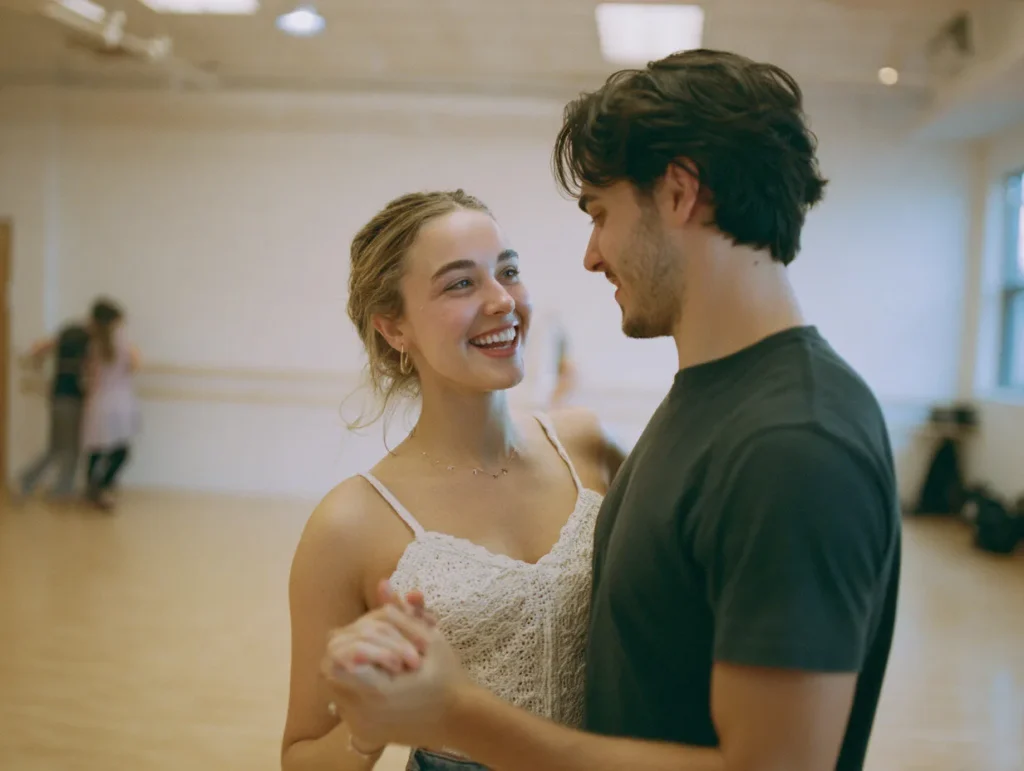
Your first lesson is usually one-on-one. You’ll meet your instructor, walk through the studio, and share what brought you in. Maybe it’s fitness. Maybe it’s wedding prep. Maybe you just want to feel confident on the dance floor.
The goal of that first lesson isn’t to teach you everything — it’s to get you moving and relaxed.
You’ll usually cover:
- How to hold your frame
- Simple foot positions and directions
- A basic pattern in one or two styles
Most new students at Arthur Murray Clearwater start with something accessible like rumba or foxtrot. These styles are structured, steady, and easy to build on.
Week 1: Learning to Trust the Process
After your intro, you’ll get a custom plan. Lessons are typically a mix of:
- Private sessions (just you and your instructor)
- Group classes (to practice with other students)
- Practice parties (optional, low-pressure events to try dancing socially)
In that first week, your instructor will help you get used to moving with a partner. You’ll learn how to follow or lead, how to move with intention, and how to recognize the rhythm of each dance.
You’ll also learn what ballroom isn’t:
– It’s not about memorizing long routines
– It’s not competitive unless you want it to be
– It’s not too late to start — we’ve welcomed students from ages 12 to 82
For a full breakdown of the different ways you can learn, take a look at our lesson formats and programs.
Week 2: Building Comfort and Repetition
This is where things start to click.
You’ll return to the same patterns from week one, but they’ll feel more familiar. Your instructor will probably introduce a second dance style — maybe cha cha, swing, or waltz — to give you variety and help your movement adapt to different rhythms.
By the end of week two, most students:
- Know how to count music for two different styles
- Have practiced multiple basic patterns
- Feel more relaxed with movement and posture
And if you’re attending group classes or practice parties, you’ll notice that dancing with different partners makes you more adaptable — and makes the process feel more real.
Week 3: Building Confidence + Body Awareness
In week three, your instructor will start layering in details. You’ll revisit the steps you already know, but now with a focus on:
- Timing and musicality
- Smoother transitions between movements
- How to communicate with your partner without speaking
This is where students start saying things like:
– “I never thought I’d be able to do this.”
– “I used to feel stiff, now I actually look forward to moving.”
If you’re coming regularly, you’ll start to recognize your posture in the mirror. Your steps will get cleaner. And you’ll likely feel more at home in the studio.
Week 4: Seeing Real Progress
By now, most beginners at Arthur Murray Clearwater have danced at least three different styles. You may even be getting ready for your first mini-performance or showcase — optional, but a great way to test what you’ve learned.
Common milestones by week four:
- You can identify several ballroom styles by rhythm
- You’ve danced socially at least once
- You’ve practiced at least 2–3 combinations or short sequences
- You can lead or follow without watching your feet
If you’ve been consistent, you’re already ahead of most people who hesitate to even start.
And if you’re still deciding what to commit to, our New Student Offer gives you a chance to try private and group lessons with no long-term pressure.
What Most Beginners Worry About (and Why You Don’t Have To)
If you’re holding back from booking your first class, it’s probably because of one of these:
“I have two left feet.”
Everyone says this — and it’s never true. Movement is a learned skill, not something you’re born knowing.
“I don’t want to look silly.”
Every person in the room started where you are. The studio environment at Arthur Murray Clearwater is built to be friendly, supportive, and pressure-free.
“I’m not in shape.”
You don’t need to be. Ballroom will improve your fitness naturally. It’s low-impact, effective, and surprisingly fun.
“What if I forget the steps?”
You will. Everyone does. That’s part of learning. Your instructor will help you review as often as you need — and help you learn how to recover when something goes off-script.
Where You’ll Be in 30 Days
In your first month, don’t expect perfection. Expect progress.
You’ll likely be:
- Comfortable moving with a partner
- Familiar with at least 3–4 ballroom styles
- Clear on whether you want to focus on social, fitness, or performance goals
- Excited to come back for your next lesson
You might even start setting long-term goals: performing at a showcase, preparing for a wedding, or just building a fun new habit.
How to Get Started
The best way to get started is by showing up for your first lesson — that’s it.
You can book it on your own, or come with a partner. Either way, the team at Arthur Murray Clearwater will guide you through it step by step.
We recommend beginning with the New Student Offer — it includes a private lesson and gives you a clear idea of what to expect next.